

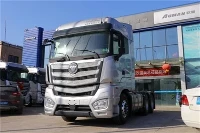
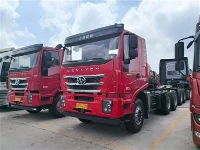
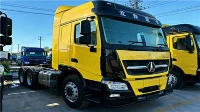
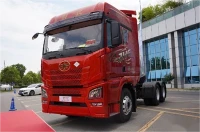
Lorry
Your Leading Lorry Supplier
The company was established in April 2022, and our main business is domestic and international trade of heavy-duty trucks, trailers, construction vehicles, and accessories, with high-quality product resources. We have over 20 years of product experience and rich experience in foreign trade, familiar with various operating procedures and processes. Proficient in friendly communication and exchange with foreign clients.
Our service
We can design, customize, and improve the trailer section according to customer needs. We have a team of highly skilled and experienced employees who can meet the most challenging customer needs.
Our product
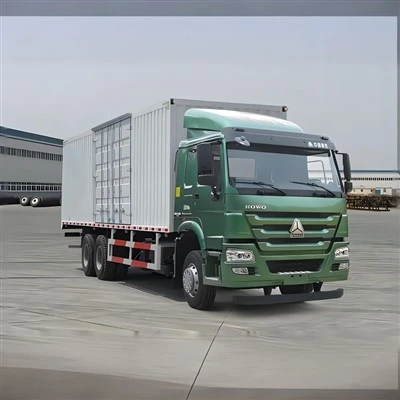
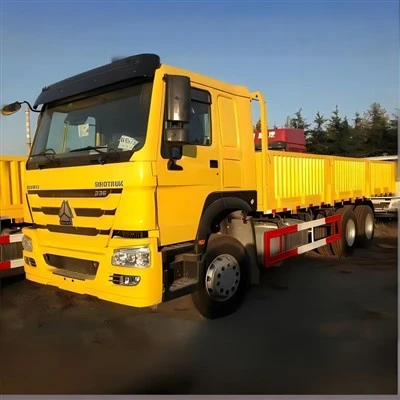
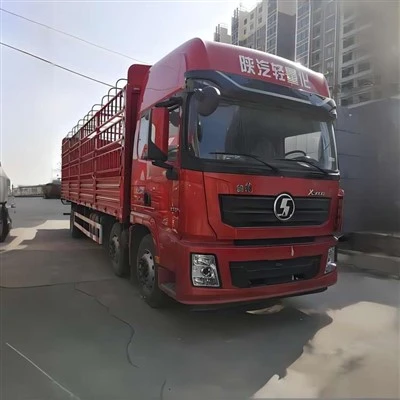
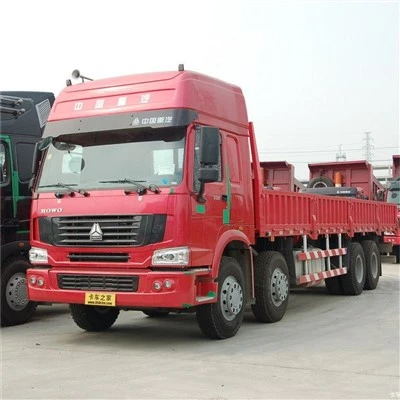
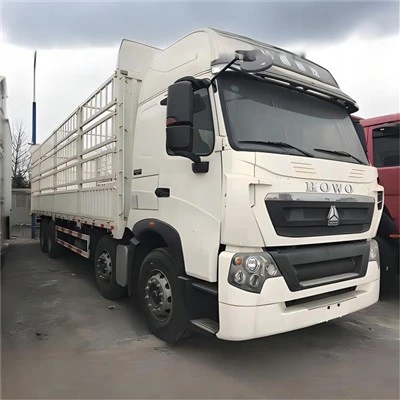
Used Sinotruck, Semi Trailer, Haowo Truck, used howo truck, Trailer accessories
Product application
Transportation of large goods, chemical raw materials, fuel products, mines, and large-scale engineering construction
Production market
Our foreign trade products are exported to Africa, the Americas, Asia, and Central Asia, with an annual sales revenue of 10 million US dollars, which has been continuously increasing over the years.
Types of Lorry:
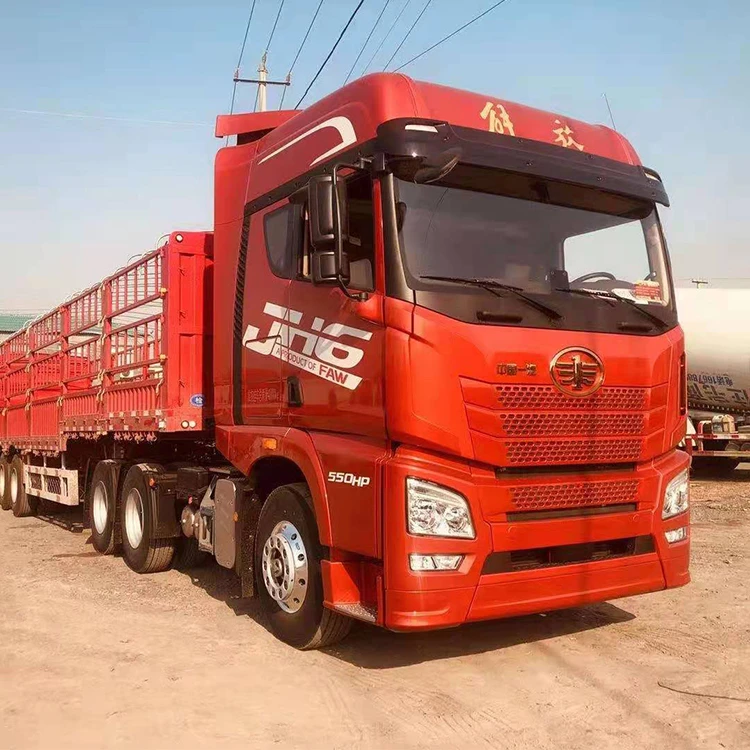


Flatbed trucks
Flatbed trucks are prevalent in logistics, featuring an open bed or platform with no roof or sides. The flat open bed or platform on flatbed trucks allows hassle-free shipping of large, bulky, or oversized cargo that can’t fit on regular enclosed trucks.
Refrigerated trucks
Refrigerated trucks, often referred to as reefer trucks, are specialized trucks used to transport temperature-sensitive products such as pharmaceuticals, foodstuffs, and other perishables. These trucks are fitted with refrigeration units that maintain a set temperature range within the cargo area, guaranteeing that the cargo on freight arrives in optimal condition.
Straight trucks
Straight trucks are another essential type of truck in the logistics sector. Unlike other typical trucks in logistics, straight tracks that feature a separate cab and trailer, straight trucks come in an all-in-one configuration, with the cab and cargo area mounted in the same chassis.
Tanker trucks
Tanker trucks are logistics trucks specialized in transporting gasses and liquids. The trucks are a staple in logistics in transporting a range of products, from petroleum to good-grade liquids, chemicals, pharmaceutical liquids, and water.
Tanker trucks feature a particular tank or a sealed and pressurized box-shaped cargo compartment to minimize leaks and spills during shipping. The tank is often constructed from aluminum or stainless steel to avoid corrosion and preserve the purity of the transported item.
Jumbo trailer trucks
Jumbo trailer trucks are heavy-duty trucks in logistics, often known as road trains. These trucks feature a tractor unit towing multiple semi-trailers or trailers. The trucks are relatively longer and heavier than typical trucks, allowing more freight transportation per trip.
Semi-trailer trucks
Semi-trailer trucks, popularly known as semis, are heavy-commercial trucks extensively used in logistics and transport. These tracks feature a cab and a semi-trailer attached to the cab by a fifth-wheel hitch. The cab or tractor on semi-trailer trucks has the engine that powers the hauling of a semi-trailer, designed to ship large volumes of freight.
Dump trucks
As the name suggests, dump trucks are heavy-duty trucks used in logistics to haul dump material, including sand, gravel, debris, and dirt. These trucks are designed to transport loose bulk materials and feature platforms that can be raised and lowered to offload cargo.
Box trucks
Box trucks are often used in logistics to transport goods over short and medium distances. They’re generally medium-sized trucks with cabs and separate covered cargo space. The cargo area is often available in a square or rectangular shape, which explains the truck’s ‘box’ name. This design is handy in facilitating efficient loading and unloading.
Tail-lift trucks
Tail-lift trucks are the game-changer in the struggles of loading and unloading heavy cargo in logistics. These trucks feature a hydraulic or liftgate that can be lowered and lifted to load and unload heavy and bulky cargo quickly.
Benefits of Lorry For Transporting Goods:
Versatility: When it comes to choosing a truck for transporting goods, consider their versatility. They can transport a wide range of goods, from small packages to large and bulky items. They can accommodate different types of cargo, including hazardous materials, perishable goods, and fragile items.
Direct point-to-point delivery: Trucks provide a direct point-to-point delivery solution. Goods can be loaded onto a truck at the origin and transported directly to the destination without the need for transshipment or intermediate handling. This reduces the risk of damage or loss during transfer and also ensures faster transit times and delivery of goods.
Flexibility and accessibility: Trucks have the flexibility to reach various locations, including remote areas, construction sites, and urban areas with narrow streets. They can navigate different territories, helping customers to transport their goods in both urban and rural areas.
Timely deliveries: When you consider trucks for transporting goods, you will have the ability to operate on flexible schedules. You can adhere to specific delivery time frames, ensuring that goods arrive when expected. This is especially important for time-sensitive shipments.
Cost-effective: One of the major benefits of choosing the best trucks for logistics is cost-effectiveness. Trucks are an affordable option for transporting goods, especially for short to medium distances. They offer competitive prices compared to other modes of transportation, such as air or rail, making them a cost-efficient transportation choice for businesses and individuals.
Tracking and security: These days, many trucks come equipped with advanced tracking systems that allow customers to monitor the status and location of their goods in real time. This improves security and also provides peace of mind to customers as they can track their shipments and receive timely updates regarding their shipments throughout the transportation process.
Customizable solutions: Trucks transporting goods means a customization transportation solution. Whether you want a truck with an appropriate size, need temperature-controlled compartments, or looking for specialized handling equipment, trucks provide customizable solutions to accommodate unique cargo needs.
Application of Lorry:
Retail:
Trucks help deliver products from distribution centers to retail outlets and customers.
01
Agriculture:
Trucks transport perishable goods like fruits, vegetables, and dairy products to markets.
02
Manufacturing:
Trucks carry raw materials to factories and finished products to warehouses.
03
Construction:
Trucks move heavy materials like cement, steel, and equipment to construction sites.
04
E-commerce:
In the booming e-commerce sector, trucks play a vital role in delivering packages to consumers.
05
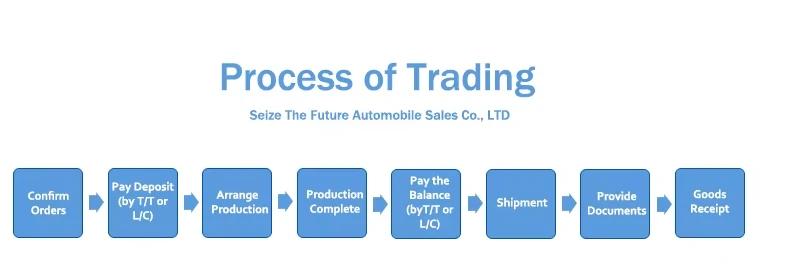
How to Make an Order:
Packing & Shipping:
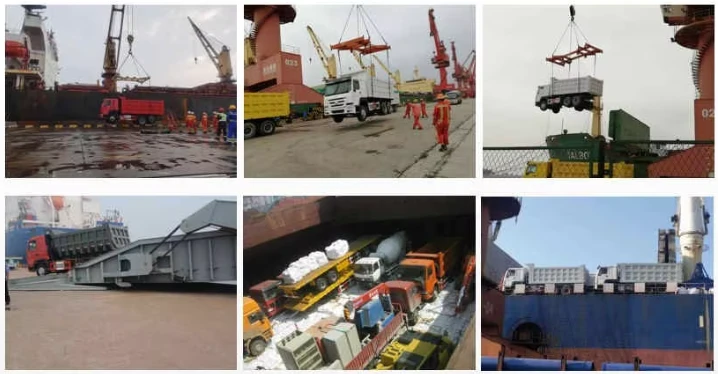
1.We specialized in exporting the vehicle by sea. We have long-term cooperation shipping company to ensure the safety of customer’s vehicle.
2.We will supply our customer the best way to delivery the vehicle with the most competitive freight. By container or Bulk vessel.
We will sent the regular shipping information to our customer
FAQ